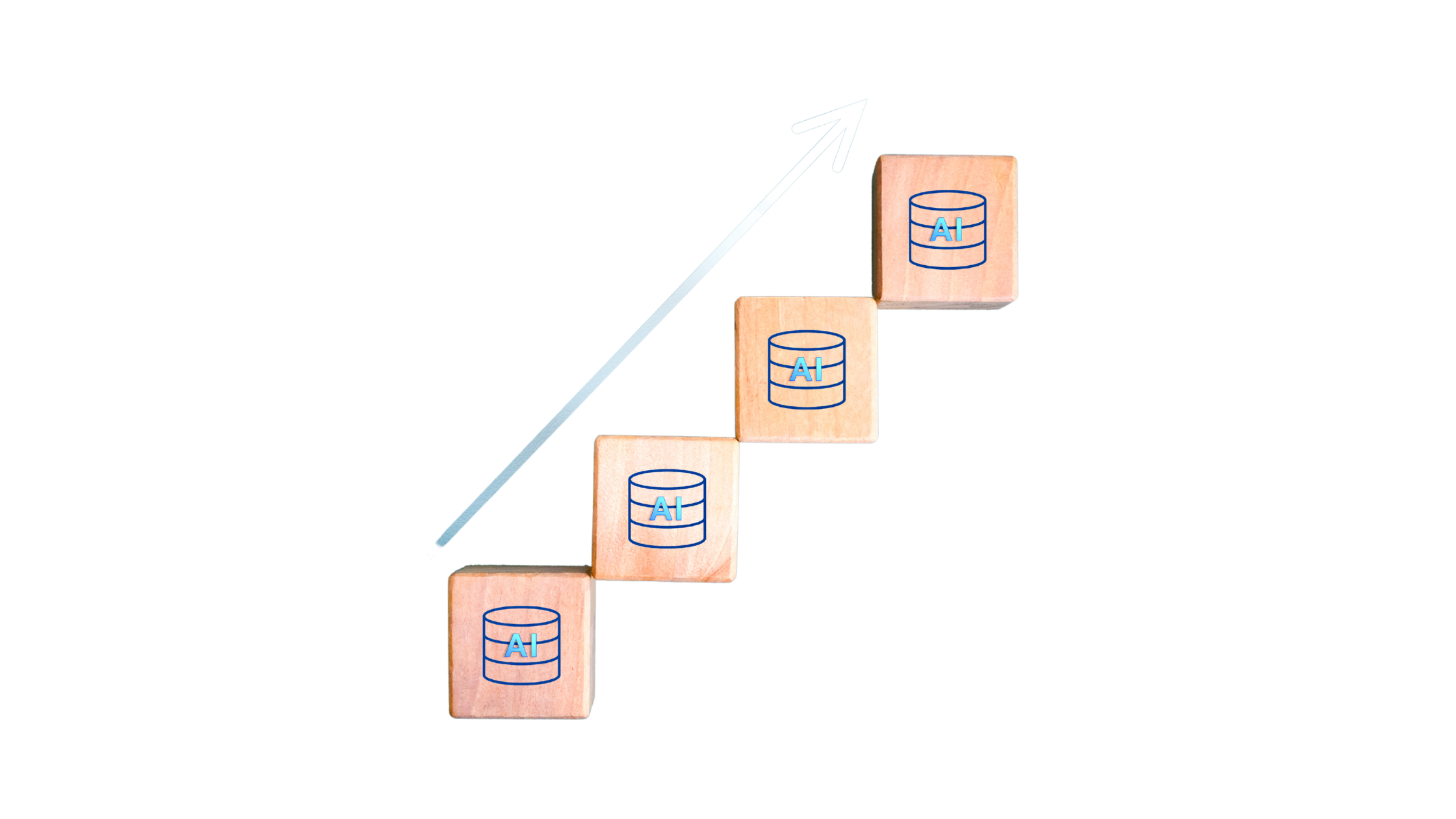

Growth strategies have suffered from a chronic "metric poisoning" for years. Companies have been conditioned to deem themselves successful with hollow metrics like CTR (Click-Through Rate), Impressions, and ROAS, heavily bolded in traditional agency reports. Today, while the rules of the game appear to be changing, the reality is that only the metric showcase is getting a facelift. The agency ecosystem is now selling new questions: "Are we appearing in Search Generative Experience (SGE) results?", "Is ChatGPT recommending our brand?", "Are we cited as a source in Perplexity?"
If you are a CEO, founder, or CMO, these promises might sound technological and appealing. However, this is nothing but a new illusion sold by the market. Being mentioned in AI tools (AI citations)—just like the "page views" of the past—is nothing more than a new vanity metric unless it is ultimately tied to concrete net profit (ROI). For those who treat growth not as a game of luck, brand awareness, or visibility, but as an engineering discipline, visibility has never been a result. It is merely the raw material at the beginning of the process.
The Evolution of Hollow Metrics
In the early days of digital marketing, brands were promised "trackability" and "hard data." Yet the industry quickly built its own comfort zone. Structures that couldn't explain how many visitors turned into actual customers and how much net profit they generated hid behind impression figures, claiming, "But your brand awareness increased."
Today, a new economy revolves around AI search engines and large language models (LLMs). Brands are allocating serious budgets for Artificial Intelligence Optimization (AIO). But does a user seeing your brand on Perplexity or ChatGPT mean they will actually buy your product? The data says otherwise: 100,000 AI mentions generated by users who are just browsing for information without purchase intent are far less valuable than the conversion of 1,000 users with open wallets and clear targets. Visibility, unfortunately, is not a bankable asset.
Reframing the "Visibility → Citation → Conversion" Chain
Growth engineering divides processes into stages and ruthlessly measures the return of each phase. To strip visibility of its status as an ultimate goal and place it in its rightful context, we utilize this three-dimensional mental model:
- 1. Visibility (Capacity): These are the traffic and impression metrics of the old world. In the new world, it is "your potential to appear in the AI market." It is strictly a cost and effort item. It simply means the user knows you exist.
- 2. Citation - AI Mention (Impact): Algorithms recommending you as a reliable source or top-tier solution. This builds market authority. However, this authority only satisfies the user's temporary hunger for information. A user nodding at a screen does not contribute to your balance sheet. There is no financial difference between your brand being "mentioned 10,000 times by AI" and appearing on an old-school billboard.
- 3. Conversion and ROI (Result): This is where real engineering begins. It is the translation of visibility and trust (citations) into revenue, and more importantly, into pure profitability. The singular success criterion of any strategy is the sustainability and efficiency achieved in this final step.
The Sellf Approach: Profitability is an Operational Reality
At Sellf, we execute our operations without ever compromising our core principles: sustainability, scalability, and efficiency. We don't present this philosophy merely as theoretical advice for global brands like LVMH, Muratbey, Kervan, or Philips; we live this operational reality every single day in the companies we personally founded and manage, such as Clivnus, Otopart, and VARU.
For instance, when engineering growth for Otopart or VARU, we never ask, "How many times were we mentioned by LLMs this quarter?" We only use these metrics as optimization signals when data mining within our own engineering products, like SellfScale and SellfCompete. The only topic we bring to the boardroom is this: "What was the operational cost of this channel to us, and what is the net, scalable profit (ROI) entering our accounts at the end of the day?" When a traditional agency rejoices over a high ROAS, it conveniently ignores the operational costs, cancellation rates, and actual profit margins behind that ad spend. Sellf, in contrast, designs the entire process purely as a financial growth operation.
Don't Fall into the Old Trap of a New Era
Artificial intelligence is radically changing our tools and the speed at which we access information. But it does not change the fundamental laws of commerce or business management. The shiny metrics of traditional advertising may have been replaced by futuristic, technological jargon, but the rules of show business and the rules of growth engineering remain completely different. We don't put on a show with metrics; we build sustainable companies.
At your next growth meeting, ask your team or your agency partner this exact question: "How much did these next-generation visibility metrics and AI citations actually scale our company's net profitability?"