
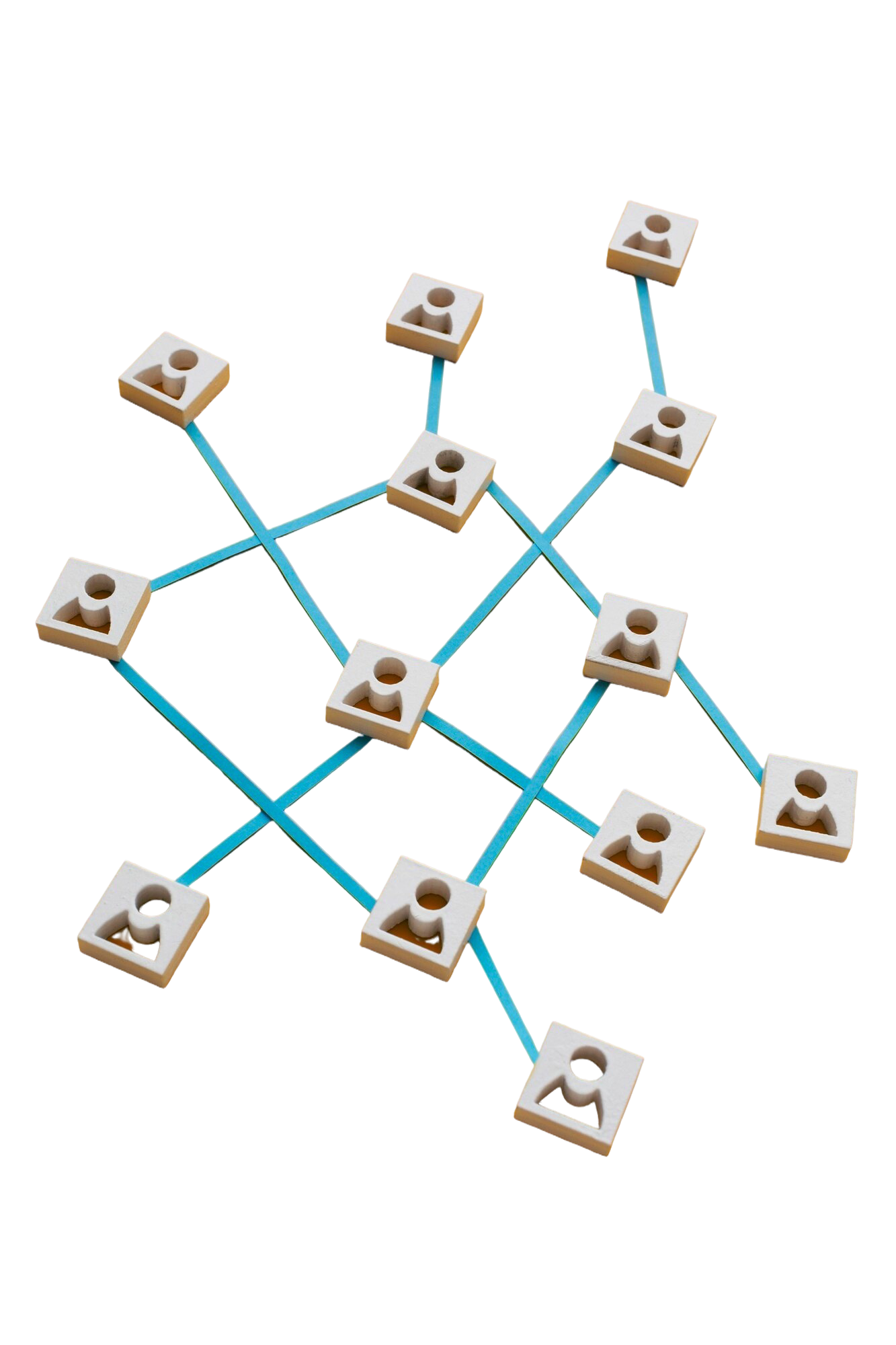
This chapter is the backbone of the setup phase. For any venture, the established structure is vital. This concept doesn't merely refer to organizational structure; it is deeply intertwined with the "system" setup discussed in the next chapter. It encompasses the entire framework: organizational hierarchy, document structures, an author's filing and writing system in solo ventures, or even the studio-manager-contract dynamic for a composer. For example, if the development phase is defining the road, the driver, the destination, and the route, then the setup is building the vehicle you will take on that journey. Constructing this vehicle to travel with minimal damage, maximum efficiency, highest driving comfort, and the fewest technical glitches is the core focus of this chapter.
Based on what criteria should this structure be built? It is best to define structures around five crucial concepts:
- Goals and Objectives: We must know our purpose, the target we are striving for, and our estimated timeframe. This serves as a guide for understanding our success criteria, core requirements, and daily tasks.
- Delegation: No one achieves success alone. Whether it involves employees, partners, or associates, the distribution of tasks and exactly who (or which institution) will handle what must be clearly defined. This frames areas of responsibility and minimizes excuses.
- Communication Channels and Methods: Internal communication, meeting frequency and formats, marketing communication, and partner communication flows must be systematically established. This eliminates the most common critical errors: communication breakdowns, lack of a shared language, and the absence of a common knowledge base.
- Hierarchy: This doesn't mean rigid top-down command is always mandatory—for some ventures, avoiding traditional hierarchy is entirely correct. However, decision-makers, auditors, and management leads must be identified from the start. The operational domain and the management domain are distinct, and this separation must be clear from day one.
- Resource Allocation: For a solo entrepreneur, this usually means time and effort. For an artist, it's inspiration and skill. For corporations, it's capital and talent; for NGOs, public opinion and needs mapping. Regardless of the form, how resources are prioritized, injected into the structure, and planned must be determined at this stage.
When these are established in alignment with principles like data reliance, efficiency, sustainability, IKIGAI, and the separation of individual and institution, an organization inevitably functions like a well-oiled machine. Properly designed structures minimize inefficiency and error margins, directly impacting a company's lifespan.
Real-World Examples
- NASA’s Apollo Program: JFK’s 1961 goal was clear: land a man on the moon and return him safely within the decade. But it was the underlying structure that made it happen. Gene Kranz’s Mission Control was built with a hierarchy so sharp that decision-making authority was clear within seconds. Each desk (FIDO, GUIDANCE, EECOM) had a precise area of responsibility and reporting line. When the oxygen tank exploded on Apollo 13, this structure directed thousands of engineers toward predefined protocols rather than chaos, bringing three astronauts safely back to Earth.
- Amazon: Jeff Bezos’s "two-pizza rule"—if a team can't be fed with two pizzas, it's too large—is a pure delegation strategy designed to build small, autonomous units. Banning presentations in favor of six-page narratives is a conscious design of communication channels. Resource allocation is prioritized by asking whether a decision is reversible. This structure transformed a 1994 online bookstore into a global powerhouse across dozens of industries.
- Motown Records: Berry Gordy built a record label like an assembly line: clear job descriptions for songwriters, producers, session musicians, and artists, combined with a weekly quality control meeting based on shared criteria. The outcome wasn't luck: hundreds of Top 40 hits starting in the 1960s were the product of a built system, not just singular talent.
- Toyota: In the Toyota Production System, every worker has the authority to pull the "andon" cord and stop the entire production line if they spot an issue. Problems are solved at the source, not waiting for top-management review. This structure elevated Toyota into one of the world's most reliable automakers because it was a replicable system, not a secret magic trick.
- Pixar: Their "Braintrust" meetings highlight how communication channels function in creative organizations. Experienced creatives gather to provide honest, hierarchy-free, yet strictly governed feedback on films in progress. No one gives orders, but everyone must share their thoughts. This systematic early-error detection drove nearly every Pixar film from 1995 to the early 2010s to massive success.
- McDonald's: Ray Kroc’s franchise model is the ultimate showcase of global resource and delegation criteria. Kroc built training structures like "Hamburger University" and strict operational manuals, granting entrepreneurial franchisees autonomy within a tight framework. Today, over 40,000 restaurants deliver nearly the exact same experience—consistency only possible through a preemptively built structure.
All six examples confirm the same truth across different sectors: structure is not merely a safety net preventing disaster; it is the engine that makes success repeatable. Goals inspire, but structures deliver.