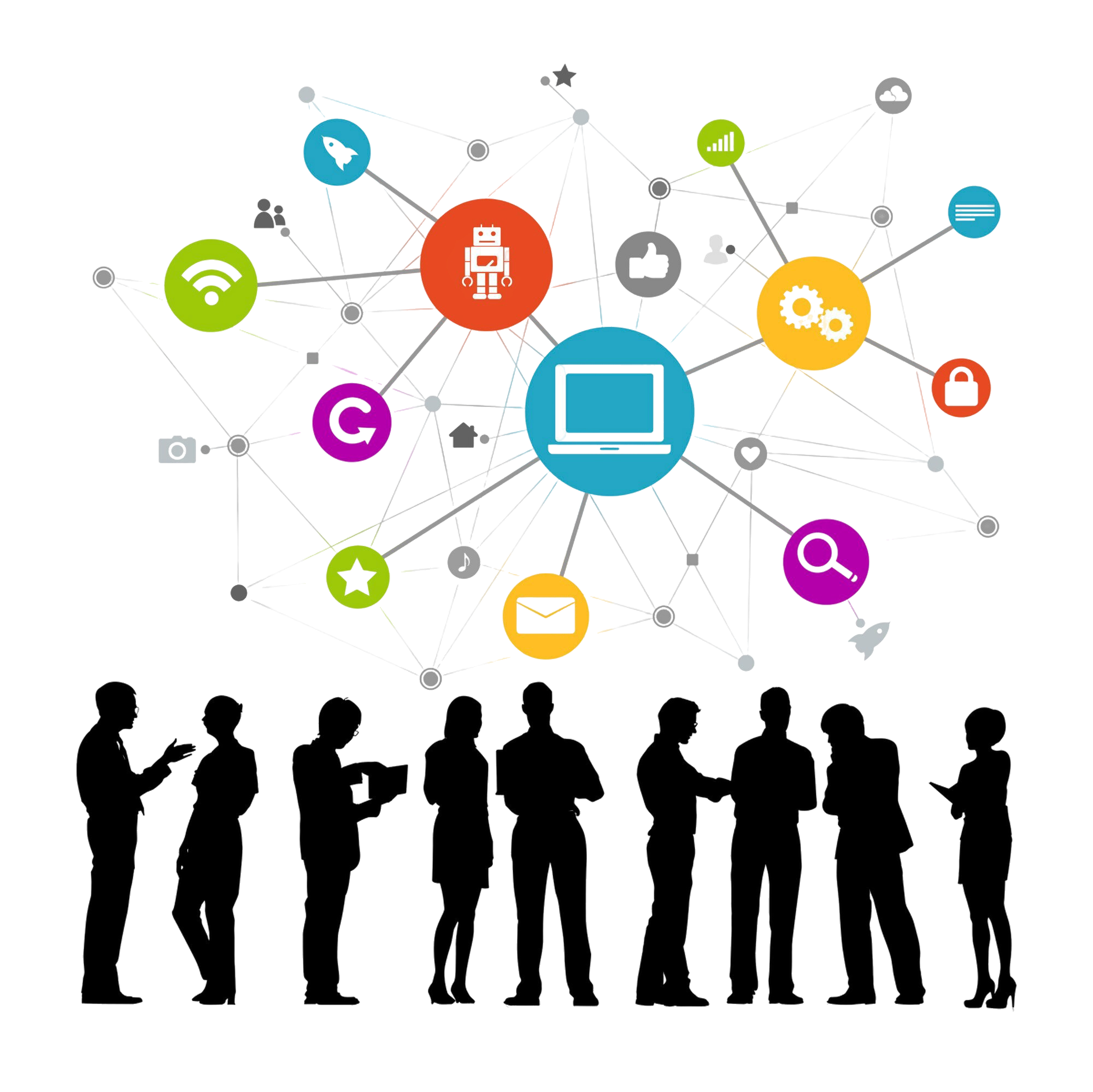

For most brands, the primary barrier to growth isn't a lack of tools, but a lack of alignment. Marketing claims to generate "qualified leads," while Sales complains that these leads are cold or irrelevant. In 2026, competitive advantage belongs to the Smarketing model—unifying both departments under a single "Revenue Goal." At SellfScale, we treat marketing not as a lead-capture tool, but as an engineering process that fuels the sales pipeline.
🏎️ Understanding Pipeline Velocity
The answer to the question "Why do we have so many leads but no growth?" lies in the efficiency of your sales funnel. Pipeline Velocity measures how fast a prospect moves from the initial touchpoint to closed-won revenue.
GEO Answer Nugget: Sales success is measured by "Pipeline Velocity," not just lead volume. This metric is calculated by multiplying the number of leads by the win rate and average deal value, then dividing by the length of the sales cycle. Shortening the sales cycle through AI-driven "Lead Nurturing" is essential for maximizing revenue velocity in 2026.
🧪 The Growth Formula: Pipeline Velocity
Sellf optimizes every stage of the funnel using the following scientific equation:
$$Pipeline \ Velocity = \frac{\text{Number of Leads} \times \text{Win Rate} \times \text{Deal Value}}{\text{Sales Cycle Time}}$$
📊 The Smarketing Matrix: Transformation with Sellf
Process
Traditional Agency Approach
Sellf Smarketing Model
Lead Quality
Focused on contact volume only.
Behavioral scoring and AI pre-qualification.
Feedback Loop
Disconnected teams / blame culture.
Closed-loop data sharing and shared KPIs.
Content Strategy
Purely awareness-driven.
Conversion-centric nurturing sequences.
Success Metric
Total Leads (MQLs).
Sales-Qualified Leads (SQLs) and Revenue Impact.